
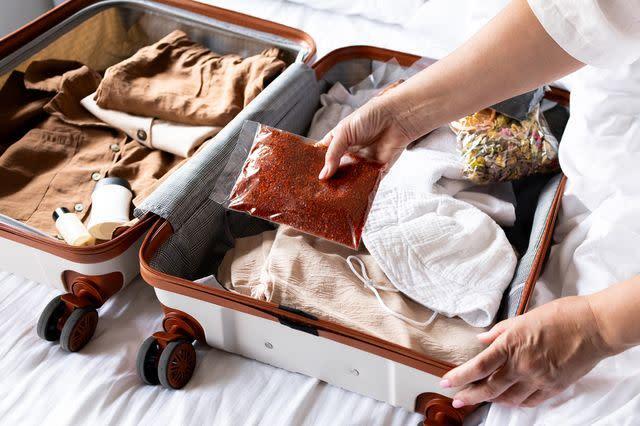
 What Can Nepali Students Bring to Japan From Nepal ?
Are you preparing to move from Nepal to Japan for your studies? You may want to bring your favorite Nepali foods, spices, clothes, medicines, and personal belongings to make your new life more comfortable.
However, not everything that can be packed in a suitcase is permitted to enter Japan. Certain foods, meat products, fresh fruits, vegetables, plants, and medicines are subject to strict import regulations.
Before packing your luggage, it is important to understand what you can bring, what you should check in advance, and what you should leave behind.
This guide explains the main considerations for Nepali students traveling to Japan for education.
1. Can You Bring Nepali Food to Japan?
You may be able to bring some commercially processed and packaged foods, but the rules depend on the product, ingredients, processing method, and applicable Japanese import regulations.
Do not assume that every food item is permitted simply because it is dry, cooked, sealed, or intended for personal consumption.
Japan has strict animal and plant quarantine rules to protect its agriculture and livestock from diseases and pests. Some products are prohibited, while others may require certificates or inspection. Official guidance from Japan’s Animal Quarantine Service explains the restrictions on animal products.
Before packing food from Nepal, check the exact item using the relevant official guidance.
2. Can You Bring Nepali Spices to Japan?
Many students want to bring spices used in everyday Nepali cooking, such as turmeric, cumin, coriander, and spice mixtures.
However, the rules depend on the specific product and its ingredients.
Plant products, including some seeds, grains, beans, and raw plant materials, can be subject to plant quarantine. Certain items may require a phytosanitary certificate issued by the exporting country’s government, and some are prohibited.
Highly processed products may be treated differently from raw plant materials, but packaging alone does not determine whether an item is permitted.
Before bringing spices from Nepal:
- Check the exact product against Japan’s plant import requirements.
- Prefer clearly labelled products with a complete ingredient list.
- Do not assume that loose or homemade spices are automatically allowed.
- Check whether the item contains seeds, untreated plant material, or animal-derived ingredients.
- Obtain any required certificates before departure, where applicable.
For the latest rules, consult Japan’s Plant Protection Station.
3. Can You Bring Meat, Chicken, or Meat Products to Japan?
Do not pack meat or meat products unless you have verified that the specific item is legally permitted and meets all applicable import requirements.
Japan generally prohibits the entry of meat and meat products without the required official inspection certification, and products from certain countries or regions may be prohibited entirely.
Examples include:
- Raw or cooked meat
- Dried meat and jerky
- Sausages, ham, and bacon
- Meat-containing dumplings or other prepared foods
- Products containing chicken, beef, pork, or other meat
Vacuum packaging, commercial packaging, cooking, or buying an item at an airport duty-free shop does not automatically make it admissible.
These rules also apply to food carried for personal consumption. Violations can lead to confiscation and serious penalties. Review the official Japanese Animal Quarantine Service guidance before packing any animal products.
4. Can You Bring Fruits and Vegetables From Nepal?
Fresh fruits and vegetables are subject to strict plant quarantine requirements. Many are prohibited depending on the country of origin and the type of produce.
Do not assume you can bring familiar fruits, fresh chillies, vegetables, seedlings, or other plant materials from Nepal.
Japan’s plant quarantine rules may also apply to seeds, grains, beans, and other products of plant origin. Some items require a phytosanitary certificate and inspection, while others cannot be imported.
If you are unsure whether an item is permitted, leave it behind until you have checked the official rules.
Read Japan’s official guidance for travelers bringing plants into the country.
5. What Clothes Should Nepali Students Bring to Japan?
Clothing is generally easier to prepare than food because the main considerations are your destination’s climate, your airline’s baggage allowance, and the amount of space available.
Useful items may include:
- Everyday shirts and trousers
- Comfortable walking shoes
- Socks and underwear
- A light jacket or sweater
- Thermal clothing and a winter coat if arriving during cold weather
- Traditional Nepali clothing for cultural events or personal use
- Clothing suitable for your school or workplace, if required
Japan has four seasons, but the weather differs by region. Students going to colder areas may need heavier winter clothing than those living in warmer regions.
You do not need to pack an entire wardrobe. Bring what you will need initially and purchase additional items after arriving if necessary.
6. Can You Bring Personal Care Products and Cosmetics?
Students can prepare basic toiletries and personal care products for their first few days in Japan, but quantity restrictions may apply to certain products.
Depending on the item, you may need to consider:
- Airline restrictions for liquids and aerosols in cabin baggage
- Quantity limits for medicines and certain quasi-drugs
- Japanese import rules for cosmetics and pharmaceutical products
- Whether the product contains an ingredient restricted under Japanese law
For ordinary toiletries, bring a reasonable quantity for personal use and buy additional supplies in Japan when needed.
For medicines, medicated products, or items with unfamiliar ingredients, check the official rules rather than assuming they are treated like ordinary cosmetics.
Japan Customs provides an overview of prohibited and restricted goods.
7. Can You Bring Medicines From Nepal to Japan?
If you take regular medication, plan ahead before traveling.
Japan has specific rules governing the import of medicines for personal use. Some products may be brought in within permitted limits, while others require advance authorization or additional documentation. Certain ingredients may be prohibited or tightly controlled.
Before departure:
- Check the active ingredients of your medicines.
- Keep the original packaging where practical.
- Carry a prescription or doctor’s letter when appropriate.
- Confirm whether the medicine requires a special certificate or advance procedure.
- Do not assume that a medicine legally sold in Nepal is automatically legal to import into Japan.
Check the latest requirements through the Japanese Ministry of Health, Labour and Welfare.
If you need medication regularly, confirm the rules well before your flight so you have time to make alternative arrangements if necessary.
8. Can You Bring Electronics From Nepal?
You can plan to bring personal electronics such as:
- A smartphone
- A laptop for study
- A tablet, if needed
- Charging cables and adapters
- Earphones or headphones
- A power bank, subject to airline rules
Check whether your electronics and chargers support Japan’s electrical supply and plug type. You may need a suitable adapter.
Power banks and spare lithium batteries are subject to airline safety requirements. Check your airline’s current rules regarding where these must be carried and any capacity restrictions.
Avoid packing unnecessary electronic devices if you can easily purchase or access them after arrival.
9. What Documents and Personal Items Should You Bring?
In addition to clothing and everyday essentials, prepare the documents you may need during travel and your first few days in Japan.
Consider carrying:
- Your passport and relevant travel documents
- Student visa and COE-related paperwork, as applicable
- School admission or enrollment information
- Accommodation address and contact details
- Financial documents relevant to your circumstances
- Emergency contact information
- Secure digital copies of important documents
Keep essential documents in your hand luggage rather than your checked suitcase.
You may also want to bring a notebook, a small backpack, glasses, personal hygiene items, and a few familiar belongings. Avoid carrying bulky items that are easy to purchase after arrival.
10. Should You Bring Homemade Food or Pickles From Nepal?
Students sometimes want to bring homemade achar, dried foods, or snacks from Nepal.
These products should be checked carefully because their ingredients may determine whether they are permitted.
For example, a product containing meat may be subject to animal quarantine rules. A product containing raw plant material, seeds, or other agricultural ingredients may be subject to plant quarantine.
A homemade product may be harder to assess if it has no ingredient label or clear description. Do not assume that a small quantity or a tightly sealed container makes it acceptable.
Before packing homemade food:
- Identify every ingredient.
- Check whether any animal or plant quarantine rules apply.
- Confirm whether the product requires a certificate or inspection.
- Leave it behind if you cannot establish that it is permitted.
When in doubt, choose food that is available in Japan rather than risking a customs violation.
11. What Items Should You Avoid Bringing to Japan?
Some items are prohibited, and others require permits, certificates, or inspections.
Pay particular attention to:
- Meat and meat products that do not meet import requirements
- Prohibited fresh fruits and vegetables
- Plants, seeds, and other plant products without required documentation
- Soil and plants carrying soil
- Medicines containing restricted substances
- Illegal drugs and other prohibited goods
- Items restricted by your airline or aviation safety regulations
Japan Customs also restricts certain weapons, explosives, counterfeit goods, and other prohibited items.
Check official regulations before departure rather than relying only on advice from friends, social media, or previous travelers.
Also read : How Much Cash Should Students Carry to Japan?
12. How Should You Pack Items for Japan?
Once you have confirmed that your belongings are permitted, organize them so they are easy to access and inspect.
Keep these practical tips in mind:
- Check your airline’s checked and cabin baggage allowance.
- Keep your passport and essential documents in your hand luggage.
- Keep food products in their original packaging where possible.
- Make sure you can identify the ingredients of any food you bring.
- Pack liquids according to airport security requirements.
- Follow airline rules for power banks and spare batteries.
- Keep relevant prescriptions and certificates accessible.
- Declare items and follow quarantine inspection procedures when required.
If an item is prohibited, do not pack it and hope that it will go unnoticed. If you are uncertain about a product, consult the appropriate Japanese authority before departure.
Frequently Asked Questions
1. Can Nepali students bring food from Nepal to Japan?
Some food products may be permitted, but the rules depend on their ingredients, processing, origin, and applicable import restrictions. Check each item against official Japanese customs and quarantine guidance before packing it.
2. Can I bring turmeric, cumin, and other Nepali spices to Japan?
It depends on the specific product and how it is processed. Some plant products may require certificates or inspection, and certain items are prohibited. Verify the exact spices you intend to carry with Japan’s Plant Protection Station.
3. Can I bring achar from Nepal to Japan?
Do not assume that all achar is permitted. The ingredients may trigger plant or animal quarantine restrictions. Check the complete ingredient list and the applicable import requirements before packing it.
4. Can I bring chicken, dried meat, or sausage to Japan?
Meat and meat products are generally prohibited unless the applicable official requirements are met, and some products are entirely prohibited depending on origin and circumstances. Do not bring these items without confirming their admissibility with Japan’s Animal Quarantine Service.
5. Can I bring medicines from Nepal?
Some medicines may be permitted for personal use, but quantity limits, certificates, or advance authorization may apply. Certain ingredients are prohibited or controlled. Check Japan’s current medicine import rules before traveling.
6. Is packaged food always allowed in Japan?
No. Commercial packaging does not automatically make a product admissible. Its ingredients and the applicable customs, animal quarantine, and plant quarantine rules determine whether it can enter Japan.
7. What should I do if I am unsure whether an item is allowed?
Check the relevant official Japanese authority before departure. For plant products, contact the Plant Protection Station; for meat and animal products, contact the Animal Quarantine Service. If the item remains uncertain, the safest option is not to pack it until its status is confirmed.
Prepare Carefully for Your Study Journey to Japan
Moving to Japan for education is an exciting step, and preparing your luggage in advance can help you avoid unnecessary stress.
Bring essential clothing, documents, electronics, and personal belongings. Check food and medicine restrictions carefully, and never assume that a product is permitted simply because it is sold in Nepal or packaged for travel.
Global Peace Int’l Education Academy Pvt. Ltd. encourages students to prepare early, confirm their individual travel requirements, and consult official Japanese authorities before carrying regulated items across the border.