
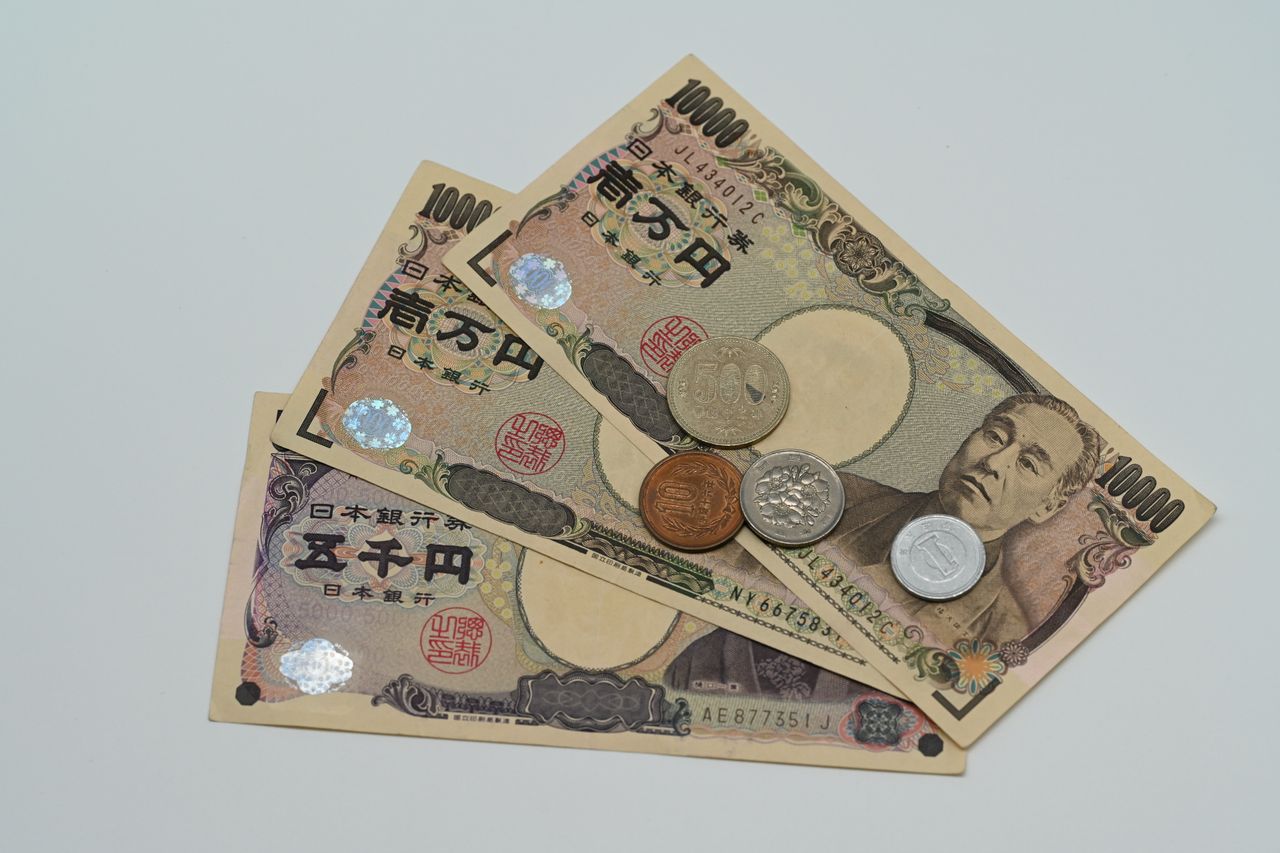
 How Much Cash Should Students Carry to Japan?
Are you planning to travel from Nepal to Japan for your studies? Before booking your flight and packing your luggage, one important question is: How Much Cash Should Students Carry to Japan?
Carrying too little money can make your first few days difficult, especially when you need to pay for transportation, food, a SIM card, or other essentials. Carrying too much cash, on the other hand, can create unnecessary security risks and may require you to follow currency declaration procedures.
For Nepali students traveling to Japan, the best approach is to prepare a realistic first-week budget, confirm which expenses have already been paid, and understand the rules for carrying money across international borders.
How Much Cash Should You Carry to Japan as a Student?
There is no single amount that every student must carry. The right amount depends on your accommodation arrangements, arrival city, transportation costs, and access to funds after landing.
As a practical starting point, consider carrying around ¥30,000–¥50,000 in Japanese yen for immediate expenses if your accommodation and major initial fees have already been arranged. This is a planning suggestion, not an official immigration requirement.
You may need a different amount if you must pay for accommodation, a deposit, school-related expenses, or other significant costs immediately after arrival.
Before deciding how much cash to bring, confirm the following:
- Is your accommodation already booked and paid for?
- Will someone from your school or accommodation provider pick you up?
- How will you pay for your train or bus journey from the airport?
- Do you have access to additional funds through an approved banking arrangement?
- Are there any outstanding payments due during your first week?
Important: Do not rely on cash alone for your entire stay. Prepare a plan for accessing additional funds legally and securely.
What Expenses Will You Have During Your First Few Days in Japan?
Your initial expenses will depend on where you land and what arrangements you have made before leaving Nepal.
1. Transportation from the airport
You may need money for a train, airport bus, or another form of transport to reach your accommodation or school. The cost depends on the airport, distance, and type of transport.
Research your route before departure and keep enough money available for the journey.
2. Food and drinking water
You will need money for meals, snacks, and drinking water while settling in. If you arrive late at night or your accommodation is far from shops, plan accordingly.
3. SIM card and communication
You may need mobile service to contact your school, accommodation provider, family, or classmates. Compare available plans and check whether your phone is compatible before purchasing a SIM card.
4. Daily essentials
Depending on your accommodation, you might need to purchase toiletries, cleaning supplies, bedding, or other everyday necessities.
5. Unexpected expenses
Flight delays, changes in transport, or problems accessing your funds can create unexpected costs. Keeping a small emergency reserve is a sensible precaution.
How Much Money Do International Students Spend Monthly in Japan?
Your first-week cash budget should not be confused with your monthly living expenses.
According to the official Study in Japan website, the national average monthly living cost for privately financed international students was approximately ¥105,000, excluding academic and research expenses, based on the 2023 lifestyle survey.
Living costs vary by location. Accommodation in Tokyo and other major metropolitan areas can cost more than in regional cities. Your actual expenses will depend on rent, food, commuting, utilities, and personal spending.
For this reason, prepare two separate budgets:
- Arrival budget: Money for transport, food, and immediate necessities.
- Monthly budget: Money for rent, groceries, utilities, commuting, insurance, and other regular expenses.
You can review official living-cost information on the Study in Japan website.
Should You Carry Japanese Yen or US Dollars?
Japanese yen is the most convenient currency for paying everyday expenses in Japan.
You may encounter places where cash is particularly useful, and having some yen available immediately after landing can save you from having to find an exchange counter or payment facility when you are tired from traveling.
Before departure:
- Obtain Japanese yen through a lawful, authorized foreign-exchange provider.
- Compare exchange rates and applicable fees.
- Keep your exchange receipts and relevant financial documents.
- Confirm the rules and limits that apply to your particular student travel arrangements.
- Avoid carrying all your available funds in one place.
If you plan to carry another foreign currency, check whether you will be able to exchange it conveniently after arrival and what fees may apply.
Important Currency Rules for Students Traveling From Nepal to Japan
Before deciding how much money to carry, check the rules that apply in both Nepal and Japan.
Nepal’s foreign-exchange requirements
Nepal regulates foreign-currency exchange and transfers abroad. Students going overseas for education may have specific documentation and banking procedures for tuition fees and living expenses.
Before your departure, contact your authorized bank or relevant foreign-exchange provider to confirm the current requirements for your student status, the amount you intend to carry, and the documents you need.
Do not assume that the general travel-currency allowance automatically applies to every student traveling for education.
You can check information published by Nepal Rastra Bank.
Japan’s cash declaration rule
Japan Customs requires travelers entering or leaving Japan to declare cash and certain other means of payment when their combined value exceeds ¥1,000,000, or the equivalent in foreign currencies.
The declaration threshold concerns the total covered amount, not just Japanese yen. If you intend to carry a large amount of cash or other covered payment instruments, check the official requirements before traveling.
Read the details on the Japan Customs website.
A customs declaration requirement is not the same as a general recommendation about how much spending money a student should carry.
Is It Safe to Carry a Large Amount of Cash to Japan?
Carrying more cash than you need can increase the consequences of losing your wallet or having your belongings stolen.
Follow these basic precautions:
- Carry only the amount you reasonably expect to need immediately.
- Keep your cash secure and avoid displaying large amounts in public.
- Separate your emergency cash from your everyday spending money.
- Keep your passport, financial documents, and cash secure while traveling.
- Never place all your money in a single wallet or bag.
- Arrange a reliable way to access additional funds if necessary.
You should also confirm your bank’s international transaction rules and fees before leaving Nepal. Do not assume your Nepali bank card will work everywhere in Japan.
How Should You Prepare Your First-Week Budget?
Before traveling, write down the expenses you expect to pay during your first seven days.
| Expense | What to check |
|---|---|
| Airport transportation | Fare to your accommodation |
| Food and drinks | Estimated daily spending |
| SIM card or mobile plan | Initial cost and activation |
| Daily essentials | Toiletries and other necessities |
| Accommodation | Whether rent or other initial charges are due |
| Emergency reserve | Money set aside for unexpected costs |
Add up your expected expenses, subtract any costs already paid, and then decide how much readily accessible money you need.
Keep in mind that your entire first-week budget does not necessarily need to be carried as physical cash. You should have a safe, lawful plan for accessing the rest of your money when required.
Final Checklist Before Leaving Nepal for Japan
Before going to the airport, make sure you have:
-
Prepared a first-week expense budget.
-
Arranged enough Japanese yen for immediate needs.
-
Confirmed your airport transfer and accommodation.
-
Checked how you will access additional funds.
-
Verified current Nepal foreign-exchange requirements.
-
Reviewed Japan Customs’ currency declaration rules if carrying a large amount.
-
Kept relevant financial documents and exchange receipts secure.
-
Saved your school’s contact details and accommodation address.
Frequently Asked Questions
1. How much cash should a Nepali student carry to Japan?
The appropriate amount depends on your accommodation, arrival arrangements, and expected expenses. If your accommodation and major fees are already paid, ¥30,000–¥50,000 can serve as a practical starting point for immediate spending, but you should calculate your own budget.
2. Is ¥50,000 enough when arriving in Japan?
It may be enough for immediate expenses if your accommodation and major costs are already covered. It may not be sufficient if you must pay rent, a deposit, or other substantial initial fees.
3. Should I carry all my money in cash?
No. Carrying all your money in cash can increase the risk of loss or theft. Plan how to access additional funds safely and in accordance with the applicable rules.
4. Do I have to declare cash when entering Japan?
Japan Customs requires a declaration when the combined value of covered cash and other specified payment instruments exceeds ¥1,000,000, or its equivalent in foreign currencies. Review the official rules if you are carrying a large amount.
5. Can I take money from Nepal to Japan for my education?
Students should arrange their education-related funds through authorized channels and confirm the current requirements with their bank or foreign-exchange provider. The permitted method and documentation can depend on the purpose and circumstances of the transfer.
6. Is the monthly cost of living included in the recommended arrival cash?
No. The suggested arrival cash is intended for immediate expenses. Your monthly living budget is separate and should account for accommodation, food, utilities, transportation, insurance, and other regular costs.
Get Ready for Your Japan Study Journey
Preparing your finances before departure can make your first few days in Japan less stressful. Plan your immediate expenses, arrange access to additional funds, and verify the current currency rules before you travel.
Global Peace Int’l Education Academy Pvt. Ltd. supports students preparing for their overseas education journey. Contact our team for guidance on preparing for your move to Japan and organizing your pre-departure checklist.