
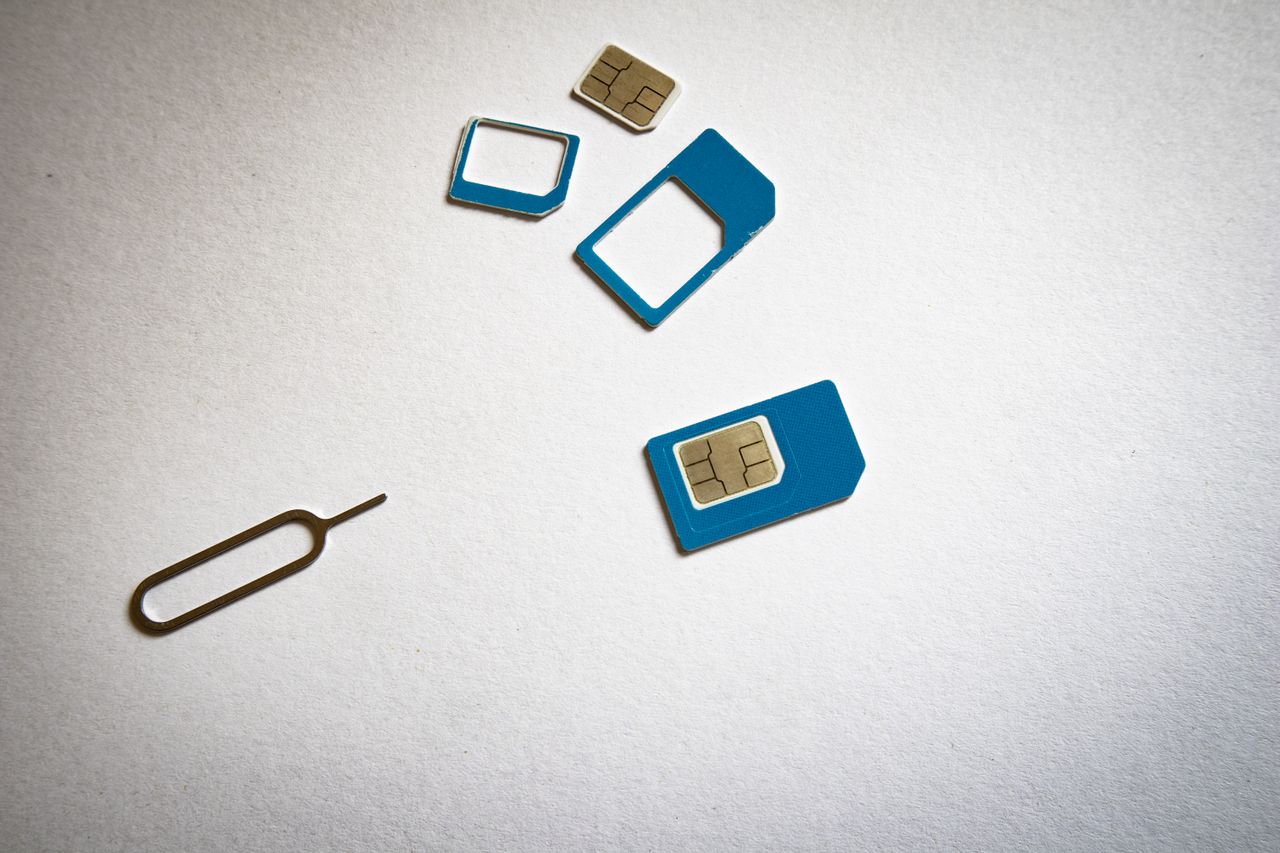
Getting Connected and Managing Your Money After Arriving in Japan
Arriving in Japan as a student from Nepal involves several important tasks beyond attending school orientation and settling into accommodation. You will also need a reliable way to communicate with your school, access online services, receive money, and pay everyday expenses.
Getting a Japanese SIM card and opening a local bank account can make these tasks easier. However, the application requirements, accepted identification documents, and processing times can vary by provider.
This guide explains how Nepali students can prepare for both procedures, which documents to keep ready, and what to do if they cannot complete everything immediately after arrival.
1. Why Do Students Need a Japanese SIM Card and Bank Account?
A Japanese mobile number can help you communicate with your school, landlords, employers, delivery services, and other local contacts. Some services may also require a Japanese phone number for verification.
A Japanese bank account can help you receive eligible scholarship payments or part-time job wages, pay rent and utilities, and manage everyday transactions. Whether an account is required depends on your employer, accommodation provider, and the payment method you use.
Although both services are useful, you do not necessarily need to complete both applications on your first day. Prioritize immediate communication, complete your residence procedures, and then apply using the documents required by your chosen providers.
2. What Should You Prepare Before Applying?
Before applying for a mobile plan or bank account, organize your identification documents and Japanese address details.
Commonly requested documents and information may include:
- Valid passport
- Residence card (zairyu card), where applicable
- Japanese residential address
- Student ID card or certificate of enrollment
- Email address
- Japanese phone number, if already available
- Bank or payment details, depending on the mobile provider
- Initial payment, if required by the service
Not every provider requires every item. Confirm the exact requirements before submitting an application.
Important: Register Your Address
Students staying in Japan as mid- to long-term residents generally need to register their residential address at the relevant municipal office within 14 days of establishing their address. Bring your residence card, or follow the applicable procedure if your card is to be issued later.
Your registered address can be important when applying for services that require Japanese address verification.
Official guidance: Immigration Services Agency of Japan — Guidance for New Entrants.
3. How to Get a SIM Card or Mobile Phone Plan
The best mobile option depends on how long you will stay in Japan, whether your phone is compatible with Japanese networks, and whether you need voice calls or only internet access.
Step 1: Check Your Phone Compatibility
Before buying a SIM card, check whether your current smartphone is unlocked and compatible with the provider’s network.
Confirm the following:
- Your phone supports the relevant network bands.
- Your phone is not locked to a different carrier.
- It supports a physical SIM or eSIM, depending on your choice.
- It can use the provider’s required network settings.
Do not purchase a plan before confirming compatibility. An incompatible phone can prevent you from using the service properly.
Step 2: Choose the Type of SIM
Students generally encounter three main options.
Data-only SIM: Suitable if you mainly need internet access for maps, messaging apps, school communication, and online services. It may not provide a regular Japanese voice-call number.
Voice-and-data SIM: May be useful if you need a Japanese telephone number for ordinary calls and everyday arrangements. Check the provider’s identity verification requirements and plan conditions.
Prepaid SIM: Can provide temporary connectivity while you settle in. Depending on the product, it may offer data only or other features. Check its validity period, data allowance, and whether calls are included.
A short-term prepaid option can be useful if you have not yet registered your address or completed other formalities. However, prepaid plans are not always the cheapest choice for long-term use.
Step 3: Compare Providers and Plans
Before signing a contract, compare:
- Monthly cost and initial charges
- Data allowance and speed restrictions
- Voice-call availability
- Contract duration and cancellation conditions
- Accepted identity documents
- Payment methods
- Customer support languages
- SIM delivery or collection arrangements
Do not choose a plan based only on its advertised monthly price. Additional charges, contract conditions, and eligibility requirements can affect the total cost.
Step 4: Prepare the Required Identification
Mobile providers may ask foreign residents for a residence card and passport. Some providers also require the Japanese address shown on the identification documents to match the application details.
For example, NTT DOCOMO publishes identification requirements for foreign residents on its official support website. Requirements differ among providers and may also depend on the plan and payment method.
Check the current rules directly before applying.
Official reference: NTT DOCOMO — Documents Verifying Identity.
Step 5: Apply and Activate Your SIM
Depending on the provider, you may apply online or at a shop. You may need to upload identification documents, complete identity verification, choose a payment method, and wait for delivery or activation.
Follow the provider’s instructions to install the SIM or activate the eSIM. Test mobile data and, if included, voice calls before relying on the service for important communications.
Keep your application confirmation and contract information somewhere safe.
4. What If You Do Not Have a Japanese SIM Card Yet?
You can plan for temporary communication while arranging a regular mobile plan.
Possible options include:
- Using airport Wi-Fi or accommodation Wi-Fi
- Purchasing a suitable short-term prepaid SIM
- Using a compatible eSIM if your phone supports it
- Contacting your school in advance to ask about arrival-day communication
Check whether the temporary option includes voice calls or only internet access. A data-only SIM may not provide a Japanese phone number for services that require one.
If your school has arranged airport pickup or an orientation meeting, confirm how to contact the school if your flight is delayed or you cannot connect to the internet.
5. How Can Students Open a Bank Account in Japan?
A Japanese bank account can make it easier to manage money while studying. It may be useful for receiving wages, paying bills, and handling regular financial transactions.
However, account approval is not automatic. Banks must verify the applicant’s identity and other information, and they may ask for additional documents.
Step 1: Complete Your Residence and Address Procedures
For most newly arrived international students, it is sensible to first obtain the relevant residence documentation and register their address.
Your bank will explain which documents it accepts and whether your application can be completed online or at a branch.
Step 2: Choose a Bank
Compare banks based on:
- Availability near your accommodation or school
- Account-opening requirements for foreign students
- Online and mobile banking features
- ATM access and fees
- Transfer and payment services
- Language support
- Availability of a bankbook or cash card
- Conditions that apply to your period of stay
Japan Post Bank is one option students can investigate. It provides guidance for non-Japanese customers and offers account-opening support in several languages, including Nepali.
Official reference: Japan Post Bank — Support for Non-Japanese Customers.
Step 3: Prepare Your Documents
Japan Post Bank’s published requirements for foreign residents include a valid residence card and, for people with student residence status, a student ID card or an acceptable certificate confirming enrollment.
A passport may also be requested. Other banks may have different requirements.
Before applying, check:
- Whether your residence card is valid and shows your current address
- Whether your remaining period of stay meets the bank’s conditions
- Whether your student ID or enrollment certificate is available
- Whether the name and address on your documents match your application
- Whether the bank requires an appointment
If you have only recently arrived and your student ID has not been issued, ask your school whether it can provide an enrollment certificate or other accepted proof of student status.
Step 4: Apply Online or at a Branch
Some banks provide smartphone applications, while others may require an in-person appointment or additional verification.
Japan Post Bank offers a procedure app with supported languages that include English and Nepali. Its eligibility conditions and application requirements still apply, so read the current instructions before starting.
Official reference: Japan Post Bank — Account Procedure App.
If you visit a branch, bring the original documents requested by the bank. Do not assume that a photocopy or phone photograph will be accepted in place of an original document.
Step 5: Wait for Verification and Account Activation
The bank may need time to review your application. You might not receive immediate confirmation, and a passbook or cash card may arrive later depending on the account type.
Ask the bank when you can begin using the account and how you will receive your account details, cash card, or other access information.
Never share your PIN, online banking password, or one-time authentication codes with another person.
6. Can You Open a Bank Account Immediately After Arrival?
Not always.
Your ability to open an account depends on your documents, address registration, student status, the bank’s procedures, and any applicable eligibility conditions.
For example, Japan Post Bank states that foreign residents generally need to present a residence card and that students must also provide student identification or accepted enrollment confirmation. It may decline or delay an application if the residence card’s remaining period of stay does not meet its requirements.
If your school has not yet issued your student ID, or your address registration is incomplete, ask the bank what you can do next rather than submitting an application with incorrect information.
Official reference: Japan Post Bank — Information for Foreign Customers Opening an Account.
7. What Should You Do If the Bank Account Is Delayed?
A delayed account does not necessarily mean that your application has been rejected. The bank may need additional documents or time to verify your details.
While waiting:
- Ask your school whether it can guide you through the application.
- Confirm which document is missing or requires correction.
- Ask your employer how wages can be paid if you have a part-time job.
- Check how rent or other upcoming payments must be made.
- Keep enough accessible money for essential expenses.
- Avoid using another person’s bank account without proper authorization or a clear lawful arrangement.
Do not assume that every employer accepts cash payments or that every bill can be paid without a bank account. Confirm acceptable payment methods with the relevant organization.
8. Common Mistakes to Avoid
Applying before checking the requirements: Providers may have different document and eligibility rules. Review the current requirements first.
Using inconsistent personal details: Your name, address, and other information should match your official documents. Ask the provider how to handle differences in name order or spelling.
Choosing a plan without checking its features: A data-only SIM may not provide a Japanese telephone number, and a low-cost plan may have restrictions that do not suit your needs.
Assuming account approval is guaranteed: Banks must conduct their required checks. An application can take time or require additional information.
Ignoring updates to your residence details: Banks may require you to keep your residence information current. Notify the relevant financial institution when required, especially after renewing your period of stay.
Sharing financial information: Never give your PIN, password, or authentication codes to someone who offers to open an account on your behalf.
Frequently Asked Questions
1. Can Nepali students get a Japanese SIM card without a bank account?
Possibly. Requirements depend on the provider and plan. Some services may offer alternative payment methods, while others may require specific payment arrangements or additional identification. Check the provider’s current terms.
2. Do students need a residence card to open a bank account?
For many foreign residents, a residence card is a key identification document. Japan Post Bank requires it for most foreign applicants, subject to its stated exceptions and eligibility rules. Other banks may have their own requirements.
3. Can I open a Japan Post Bank account if I do not have my student ID yet?
Japan Post Bank asks students to provide a student ID or acceptable proof of enrollment. Contact the bank and your school to confirm whether an enrollment certificate or another approved document can be used.
4. Can I apply for a Japanese SIM card before arriving from Nepal?
Some providers offer advance applications or airport collection, but eligibility, accepted documents, delivery options, and available airports vary. Confirm the arrangements directly with the provider before departure.
5. How long does it take to open a bank account in Japan?
There is no single timeline for every bank or application. Processing may be completed quickly in some cases, while other applications require additional verification or later delivery of account materials. Ask your chosen bank for its current estimate.
6. Is a Japanese phone number necessary for every bank account?
Not necessarily. Requirements vary by bank and application method. However, a working phone number can be useful for communication and account-related verification. Check the bank’s current instructions.
7. Can a student receive part-time job wages into a bank account?
A bank account can be useful for receiving wages, and some employers may require one. Ask your employer which banks and payment arrangements it accepts. Remember that student work is subject to Japan’s applicable permission and restrictions.
Read More : How Much Cash Should Students Carry to Japan?
Get Ready for Daily Life in Japan
Arranging mobile communication and banking can make it easier to settle into student life in Japan. Prepare your identification documents, confirm your address registration, compare providers, and allow time for applications and verification.
Global Peace Int’l Education Academy Pvt. Ltd. encourages prospective students to discuss arrival procedures with their school before departure and to check current requirements directly with each service provider.
With a little preparation, you can reduce avoidable delays and focus more confidently on your studies and daily life in Japan.