
Nepali Students Going to Japan: A Statistical and Analytical Overview (2024 Report)
Disclaimer
This report is based on officially available data from the 2023/24 fiscal year (17 July 2023 – 15 July 2024) published by Nepal’s Ministry of Education, Science and Technology and other publicly accessible sources, including CESLAM, MyRepublica, and Aarthik News.
All numerical data and observations reflect the situation as of December 2024 unless otherwise stated.
Figures may vary slightly across publications due to reporting timelines, data overlap, or classification differences between “students,” “residents,” and “workers.” This document is intended for informational and research purposes only and should not be interpreted as an official government publication.

Introduction
In recent years, Japan has emerged as the leading destination for Nepali students pursuing higher education abroad. The growing preference for Japan is reflected in government data, educational migration trends, and socio-economic factors that link the two countries. This report presents an analytical overview of the current situation, supported by data from credible sources such as the Ministry of Education, Science and Technology (Nepal), CESLAM, MyRepublica, and Aarthik News.
1. Statistical Overview of Nepali Students Going Abroad
According to the Ministry of Education (Nepal), a total of 112,593 No Objection Certificates (NOCs) were issued to students planning to study abroad during the Nepali fiscal year 2023/24. Out of these, 34,731 students received NOCs for Japan, making it the top destination for Nepali students in that period.
In comparison, other major destinations such as Australia, Canada, and the United States received fewer NOC applications. This marks a continuing trend in which Japan has consistently attracted the highest number of Nepali students since the late 2010s.
2. Field of Study Distribution
A subject-wise breakdown of the 2023/24 NOC data highlights Japan’s dominant position, particularly in language-based programs:
| Field of Study | NOCs Issued (2023/24) |
|---|---|
| Japanese Language Studies | 33,697 |
| Management | 28,891 |
| Business | 10,029 |
| Science and Technology | 4,102 |
(Sources: Ministry of Education Nepal; MyRepublica, 2024)
This data indicates that a significant majority of students traveling to Japan initially enroll in language schools, which often serve as gateways to higher education or employment opportunities.
3. Growth of the Nepali Student Population in Japan
The number of Nepali students in Japan has grown exponentially over the past decade.
In 2013, there were approximately 3,188 Nepali students enrolled in Japanese institutions. By 2023, that number had increased to around 37,878.
Furthermore, Japan’s Immigration Services Agency reported that the total Nepali resident population in Japan reached 233,043 by December 2024, making Nepal one of the top five source countries of foreign residents.
This growth reflects both educational migration and the transition of many former students into Japan’s labor market under various work visa categories.
4. Factors Behind Japan’s Popularity Among Nepali Students
4.1 Educational Opportunities
Japan offers a wide range of educational programs, from short-term language courses to advanced technical and university degrees. The Japanese education system emphasizes discipline, technical skill, and practical learning, making it attractive to students seeking applied education.
4.2 Economic Feasibility
Compared to Western countries, Japan offers lower tuition fees and manageable living expenses, which appeal to middle-income Nepali families. Students are also permitted to work part-time, allowing them to cover part of their expenses during study.
4.3 Employment Prospects
Japan’s aging population and declining domestic workforce have led to an increased demand for skilled and semi-skilled foreign labor. Many students use educational pathways to transition into Japan’s employment sector under the Specified Skilled Worker (SSW) or Technical Intern Training programs.
4.4 Safety and Cultural Compatibility
Japan’s reputation for safety, public discipline, and respect for cultural values aligns closely with Nepali traditions, making it an appealing and secure destination for young learners.
5. Broader Socioeconomic Implications
The continuous flow of Nepali students to Japan has broader socioeconomic effects. Remittances from graduates or working students contribute indirectly to Nepal’s economy. Additionally, the Nepali community in Japan supports new arrivals, creating a well-established network that eases cultural adaptation and integration.
However, this trend also raises concerns about brain drain and the sustainability of Nepal’s domestic human resource development. The increasing number of NOCs each year indicates that a large portion of Nepal’s youth are pursuing opportunities outside the country, which may affect local workforce availability in the long term.
6. Challenges Faced by Nepali Students in Japan
Despite the promising opportunities, Nepali students often encounter several challenges, including:
- Language barriers in academic and daily communication.
- Financial strain, especially during the initial period of settlement.
- Cultural adaptation difficulties, as Japanese society values precision, punctuality, and strict discipline.
- Work-study balance, since many students rely on part-time employment to sustain their studies.
These challenges highlight the importance of adequate pre-departure preparation and credible counseling before students leave Nepal.
7. Role of Educational Consultancies and Training Centers
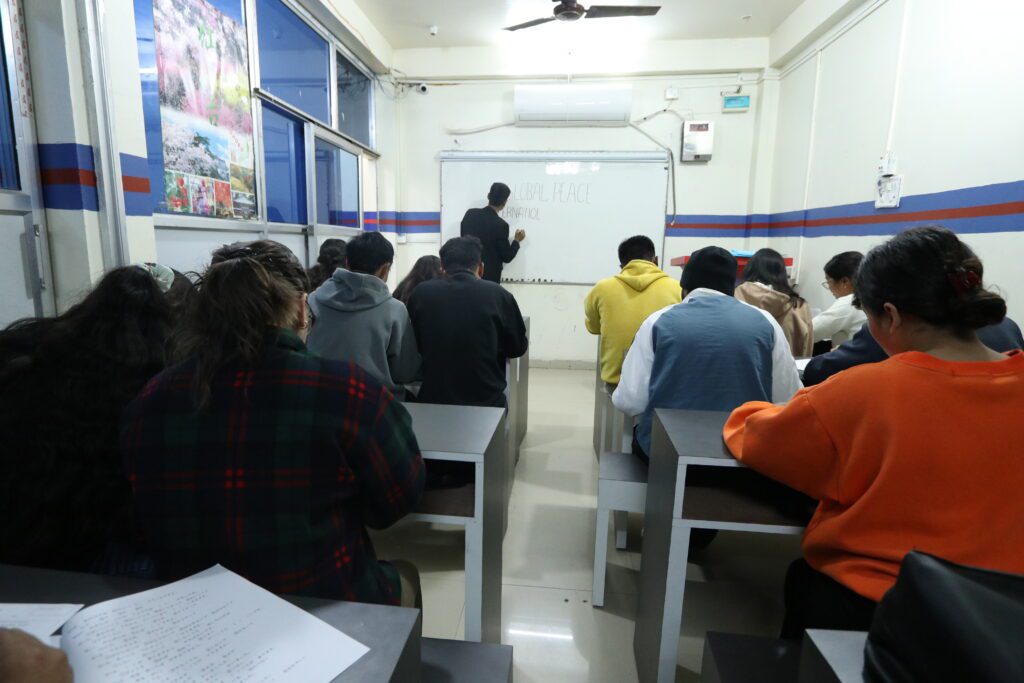
Educational consultancies play a crucial role in shaping students’ readiness for Japan. Institutions such as Global Peace Education Academy provide Japanese language training, test preparation, career counseling, and documentation support to ensure students are properly prepared both linguistically and academically.
Effective pre-departure orientation significantly increases the likelihood of student success abroad.
8. Conclusion
Japan has solidified its position as the top destination for Nepali students seeking international education.
The data clearly demonstrates a steady increase in the number of students moving to Japan for both language and degree programs. This growth is driven by Japan’s educational quality, affordability, employment prospects, and cultural compatibility.
While the trend provides global exposure and opportunities for Nepali youth, it also necessitates strategic policies in Nepal to retain skilled graduates and ensure long-term national development.
References
- CESLAM (2024). Japan Tops the List as 80 Percent of Nepali Students Opt for Study Abroad in Five Key Countries. Retrieved from ceslam.org.
- MyRepublica (2024). Over 650,000 Obtain NOCs to Study Abroad in the Past 15 Years. Retrieved from myrepublica.nagariknetwork.com.
- Aarthik News (2024). Nepali Population in Japan Reaches 233,043 as of December 2024. Retrieved from english.aarthiknews.com.
- Ministry of Education, Science and Technology (Nepal), Annual NOC Data (2023/24).
- Lurah Japan (2023). Rising Nepali Population in Japan. Retrieved from lurahjepang.com