
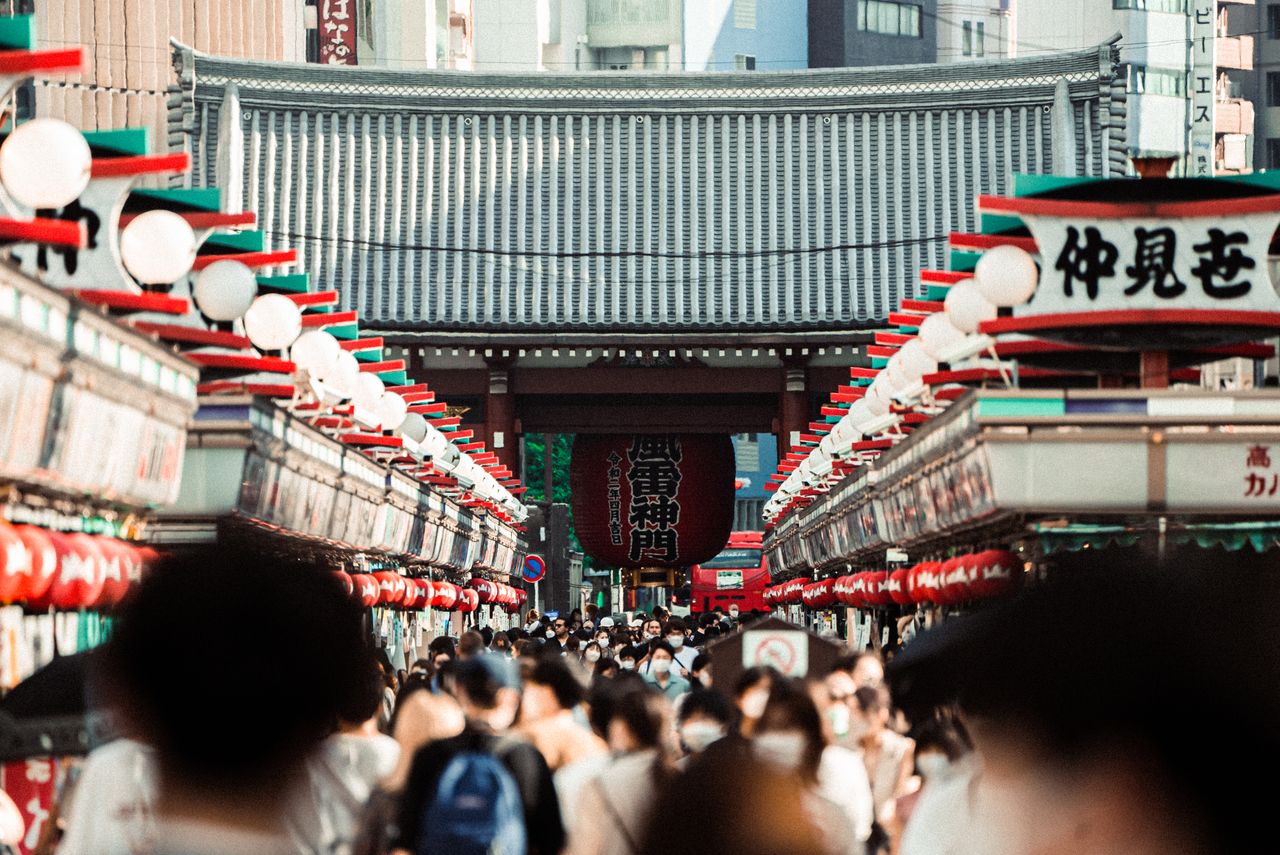
 Study in Japan from Nepal: Complete Guide for Nepali Students 2027
Japan is one of the destinations Nepali students consider for higher education, Japanese language training, professional development, and international career opportunities. With a range of educational institutions, modern infrastructure, and opportunities to experience Japanese culture, studying in Japan can be an important step toward building a global future.
However, students need to understand admission requirements, tuition fees, the Certificate of Eligibility (COE), student visa procedures, part-time employment rules, living expenses, and long-term residence options before making a decision.
This guide by Global Peace Int’l Education Academy Pvt. Ltd. explains the essential information Nepali students and parents should know before planning to study in Japan.
Why Study in Japan from Nepal?
Japan offers several potential benefits for international students:
- Quality education: Opportunities to study at universities, vocational schools, and Japanese language institutions.
- Technology and innovation: Programs in engineering, IT, science, business, and other fields.
- Language development: Opportunities to improve Japanese communication skills.
- International experience: Exposure to a different education system, culture, and working environment.
- Scholarship opportunities: Some institutions and organizations offer financial assistance to eligible students.
- Career development: Opportunities to explore suitable employment after graduation, subject to qualifications and immigration requirements.
Studying in Japan does not automatically guarantee employment, a scholarship, or permanent residency. Students should select a study pathway that matches their academic background and financial circumstances.
Study Options in Japan for Nepali Students
Japanese Language Schools
Japanese language schools can help students improve their language proficiency and prepare for further education. Before applying, check the school’s admission requirements, fees, attendance policy, and progression opportunities.
Vocational Schools (Senmon Gakkō)
Vocational institutions offer specialized training in selected professional fields. Students should verify the entry requirements, Japanese proficiency requirements, qualification recognition, and career opportunities.
Japanese Universities
Students who meet the required academic and language criteria can apply for undergraduate programs. Admission requirements differ by university and course.
Graduate Schools
Students with the appropriate previous qualifications can explore master’s degrees, doctoral programs, and research opportunities.
Japanese Language Requirements
Japanese proficiency can be important for studying, communicating, and finding suitable employment in Japan.
Students should learn Hiragana, Katakana, vocabulary, and grammar before progressing to the proficiency level required by their chosen institution.
JLPT N5, N4, or higher may be useful depending on the student’s goals, but requirements vary by institution and program. Always confirm the exact language requirements before applying.
Japan Student Visa and COE Process
Students generally need to complete school admission and the relevant immigration procedures before traveling to Japan.
- Review your academic eligibility and budget.
- Select an appropriate institution and course.
- Prepare academic, identity, and financial documents.
- Submit the school’s application.
- Follow the school’s instructions for the Certificate of Eligibility (COE) process.
- After receiving the required documentation, apply for the student visa through the applicable official channel.
- Once the visa is approved, arrange travel and accommodation.
A COE is not the same as a visa. Receiving a COE does not automatically guarantee visa approval.
Cost of Studying in Japan from Nepal
Students should plan for tuition fees, admission fees, accommodation, food, transportation, insurance, travel, and emergency expenses.
Living costs vary by city, accommodation type, and personal lifestyle. Tokyo and other expensive locations may require a higher budget.
Japan’s official Study in Japan website provides information about international student living expenses and related planning.
Reference: https://www.studyinjapan.go.jp/en/life/cost-of-living/
Students should calculate their budget using the actual fee schedule of their chosen institution rather than relying on a single national average.
Part-Time Jobs for International Students
Students holding a Student Status of Residence generally need permission to engage in activities outside their permitted status before beginning part-time work.
Under the general rules, eligible students with the required permission may work up to 28 hours per week during the academic term. During qualifying long school vacations, they may generally work up to 8 hours per day, subject to applicable conditions.
Potential job types include restaurant work, retail, convenience stores, cleaning, and other permitted employment for which students meet the requirements.
Students must follow employment restrictions, avoid prohibited businesses, and ensure that work does not interfere with their studies. Part-time income should not be treated as a guaranteed source for covering all education and living expenses.
Official reference: https://studyinjapan.go.jp/en/work-in-japan/part-time-jobs/
Daily Life in Japan
International students should prepare for differences in language, culture, transportation, housing, and daily routines.
Important considerations include:
- Arriving on time for classes and appointments.
- Following local waste separation and disposal rules.
- Learning to use public transportation.
- Understanding rental agreements and utility expenses.
- Complying with applicable residence registration and health insurance requirements.
- Improving practical Japanese communication skills.
Good preparation can help students adapt to their new environment and manage their responsibilities.
How Are Nepali Students Treated in Japan?
Experiences vary by school, workplace, community, language ability, and individual circumstances. Many students benefit from international education and cultural exchange, while some may encounter language barriers, loneliness, or unfair treatment.
Students should understand their rights and responsibilities, maintain records of employment conditions, read contracts carefully, and seek help from appropriate support services if problems arise.
It is not accurate to assume that every Nepali student will have the same experience.
Recognition of Japanese Degrees
Qualifications from recognized Japanese institutions can support further education and career development. However, recognition depends on the institution, qualification, employer, destination country, and applicable professional licensing requirements.
Students planning to work or continue studying in Nepal should verify equivalency and recognition requirements with the relevant authorities or institutions.
Japan Permanent Residency (PR) Requirements
Japan’s general permanent residency route ordinarily requires at least 10 consecutive years of residence, including a qualifying period under eligible work or residence statuses, subject to the applicable guidelines and exceptions.
Eligible Highly Skilled Professional applicants may qualify for shorter residence periods through the points-based system. Special routes may allow applications after three years for qualifying applicants with at least 70 points or one year for qualifying applicants with at least 80 points.
Applicants must also satisfy other relevant conditions, which may include good conduct, financial stability, and compliance with applicable tax, pension, health insurance, and residence obligations.
Time spent as a student does not automatically satisfy every separate residence-status requirement. Meeting the minimum period does not guarantee approval.
Official reference: https://www.moj.go.jp/isa/10_00279
Career Opportunities After Graduation
After graduation, students may explore further education, eligible employment in Japan, or career opportunities in Nepal and other countries.
Students seeking employment in Japan must meet the requirements of the relevant job and residence status. Graduation alone does not automatically grant permission to work or remain in Japan.
Japanese language skills, academic qualifications, professional abilities, and relevant experience can all influence career opportunities.
Checklist Before Going to Japan
- Confirm your academic eligibility.
- Choose a suitable school and program.
- Prepare for the required Japanese language level.
- Organize financial and sponsor-related documents.
- Complete the school application process.
- Follow the COE and student visa procedures.
- Prepare a realistic budget for tuition and living expenses.
- Arrange accommodation and understand insurance requirements.
- Learn about part-time work restrictions and local laws.
- Keep important documents and emergency contacts accessible.
Conclusion
Studying in Japan can provide valuable educational, cultural, and professional opportunities for Nepali students. Careful planning, suitable school selection, financial preparation, Japanese language study, and compliance with immigration rules are essential for a successful experience.
Students should confirm current requirements through official sources before making decisions.
Start Your Japan Study Journey with Global Peace
Global Peace Int’l Education Academy Pvt. Ltd. provides Japanese language training and guidance for students preparing for educational opportunities in Japan.
Contact Global Peace to discuss your academic background, language preparation, and suitable study options.
Website: https://globalpeace.com.np/
Disclaimer: This article provides general educational information. Admission, visa approval, employment, and permanent residency are not guaranteed. Requirements may change, so students should confirm current rules with the relevant official authorities.