
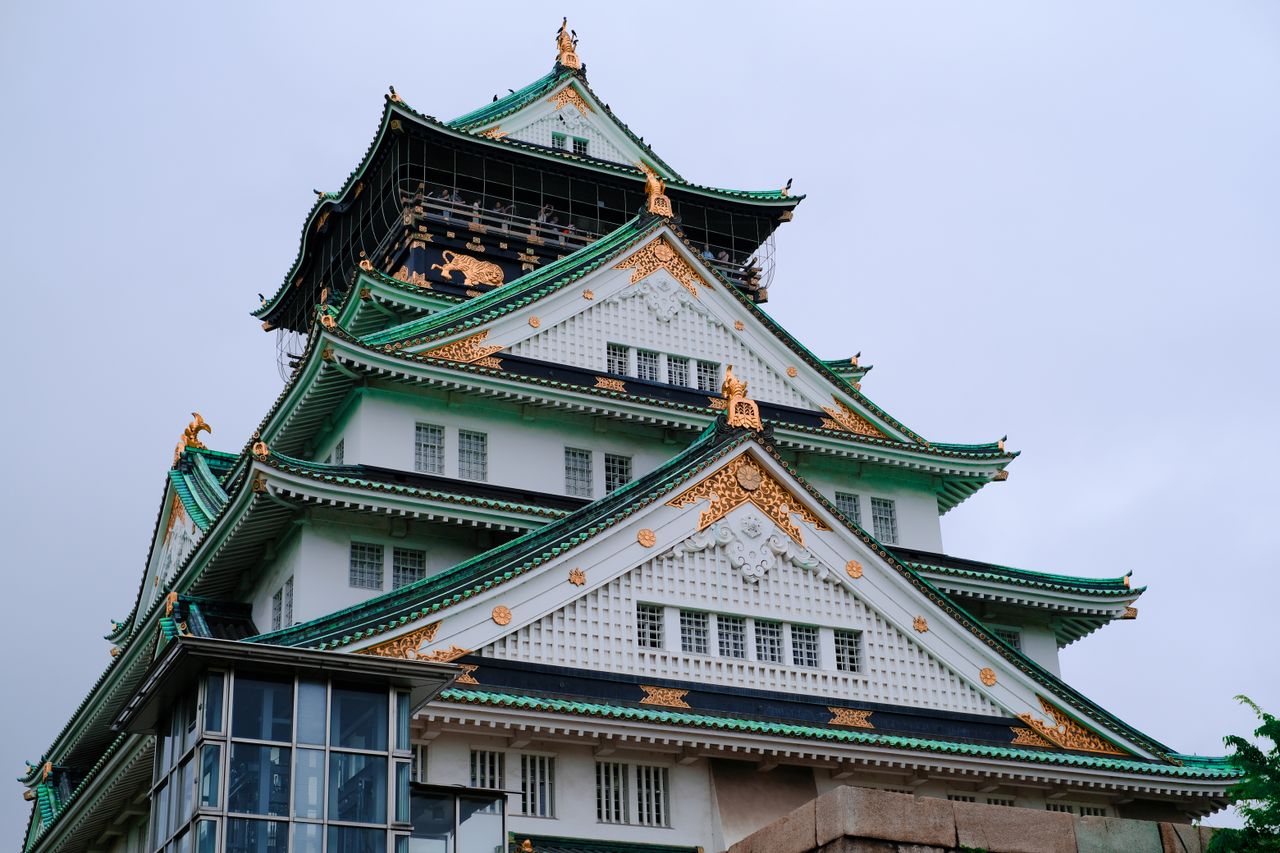
 Student Life in Japan for Nepali Students: Complete Guide
Student Life in Japan for Nepali Students offers exciting educational opportunities, cultural experiences and personal growth, but it also comes with challenges that students should understand before leaving Nepal. From learning Japanese and managing living expenses to finding accommodation and balancing part-time jobs with education, preparing for life in Japan is essential for a successful study-abroad journey.
Japan is a popular destination for students who want to develop language skills, gain international experience and pursue further education. Its modern infrastructure, organized public transportation, educational institutions and rich cultural traditions attract students from many countries, including Nepal.
However, moving to another country requires more than obtaining admission and arranging travel. Students must learn to live independently, follow local rules, adapt to a different academic environment and manage their finances responsibly.
In this guide, Global Peace Int’l Education Academy Pvt. Ltd. explains the realities of student life in Japan, the difficulties Nepali students may face and practical ways to prepare for a better experience.
What Is Student Life in Japan Like for Nepali Students?
Student life in Japan combines education, independent living, cultural learning and personal responsibility. Students attend classes, complete assignments, manage household expenses and develop communication skills while adjusting to a new environment.
For Nepali students, the experience can be both rewarding and demanding. The first few months may involve learning how to use public transportation, understand Japanese instructions, shop for groceries, communicate with teachers and follow accommodation rules.
Daily routines depend on the institution, course, city and personal circumstances. Students in Tokyo may experience different housing and transportation costs from those living in smaller cities. Students attending Japanese language schools may also have different schedules from those enrolled in universities or vocational colleges.
With realistic expectations and proper preparation, students can gradually become more confident and independent.
Why Do Nepali Students Choose Japan?
Japan offers several educational and personal development opportunities for international students.
Quality education: Japanese universities, vocational colleges and language institutions offer different learning pathways. Students should research each institution and select a program that matches their academic background and career goals.
Japanese language skills: Learning Japanese can improve everyday communication, classroom participation and future employment opportunities. Students who begin learning before departure may find the initial adjustment easier.
Cultural experiences: Living in Japan provides opportunities to experience local traditions, food, festivals, public transportation and social customs.
Personal development: Studying abroad can help students develop independence, time management, problem-solving and cross-cultural communication skills.
Career development: Depending on qualifications, language ability and immigration requirements, students may explore further education and career opportunities after completing their studies.
Students should remember that admission does not guarantee employment, a particular salary or permanent residence. Their educational decisions should be based on accurate information and realistic expectations.
Student Life in Japan for Nepali Students: The Biggest Challenges
Understanding the challenges of student life in Japan helps students prepare before departure and make informed decisions.
1. Japanese Language Barriers
Language is one of the most common difficulties for international students. Even students who have studied Japanese in Nepal may initially struggle with everyday conversations.
Japanese spoken in shops, workplaces, hospitals and government offices can be more difficult to understand than classroom exercises. Students may find it challenging to understand rapid speech, formal expressions and unfamiliar vocabulary.
To overcome this challenge, students should practise listening, speaking, reading and writing regularly. Learning common Japanese expressions for shopping, transportation, healthcare and emergencies is particularly useful.
Students should also ask teachers and classmates for help whenever they do not understand instructions.
2. High Living Costs and Financial Pressure
Managing money is another important challenge. Students need to budget for accommodation, food, utilities, transportation, communication, insurance and personal expenses. Tuition and initial arrival costs must be calculated separately.
According to the official Study in Japan website, average monthly living expenses for international students are approximately ¥105,000, excluding tuition and study expenses. This estimate is based on a 2023 survey, and actual expenses vary by location and lifestyle.
Students can read the official guide here: https://www.studyinjapan.go.jp/en/life/cost-of-living/
To manage expenses, students should prepare a monthly budget, cook at home when practical, compare accommodation costs and maintain emergency savings.
Families should also plan how education costs will be covered if a student cannot find part-time employment immediately.
3. Finding Part-Time Jobs in Japan
Many Nepali students consider part-time employment to help cover some living expenses. Common opportunities may include restaurants, retail stores, food services and other suitable workplaces.
However, finding a job is not always immediate or easy. Employers may require Japanese language skills, suitable availability and the ability to understand workplace instructions.
International students must obtain the required permission before undertaking permitted part-time work. The general limit is 28 hours per week during academic periods, with specific provisions for officially designated long school holidays.
Students should always verify the rules that apply to their circumstances.
Read the official guidance: https://www.studyinjapan.go.jp/en/work-in-japan/part-time-jobs/
Part-time employment should support education rather than interfere with it. Students should be cautious of anyone promising guaranteed jobs, unusually high earnings or enough income to cover every educational expense.
4. Balancing Education and Part-Time Work
Managing school and employment can be difficult, especially when students work late shifts or have long commutes.
Insufficient sleep and excessive work can affect attendance, concentration, examination preparation and general well-being.
Students should create a weekly timetable that includes classes, homework, work, meals and rest. They should avoid accepting shifts that regularly conflict with school and seek advice if financial pressure begins affecting their education.
Remember that studying is the primary purpose of student status in Japan. Academic progress should remain a priority.
5. Homesickness and Emotional Challenges
Leaving family and friends can be emotionally difficult. Nepali students may miss familiar food, festivals, family gatherings and everyday conversations.
Dashain, Tihar and other important occasions may feel different when celebrated far from home.
Students can manage homesickness by maintaining regular contact with family, developing friendships, participating in community activities and preparing familiar meals when possible.
If emotional difficulties persist or begin affecting everyday life, students should consider speaking with a trusted teacher, student-support adviser or qualified professional.
6. Cultural Differences and Social Rules
Japanese social customs may differ from those students know in Nepal. Punctuality, orderly queues, quiet behaviour in public transportation and consideration for neighbours are important in many everyday settings.
Students may also need to learn how to sort rubbish, follow dormitory rules, remove shoes in designated places and communicate politely with teachers and supervisors.
Observing local customs, asking respectful questions and remaining open to learning can make cultural adjustment easier.
7. Accommodation and Housing Problems
Finding suitable accommodation is another challenge for students arriving in Japan.
Options may include student dormitories, shared housing and private apartments. Each has different costs, rules and responsibilities.
Private apartments may require initial payments such as deposits, agency fees or other contractual charges. Dormitories may be more affordable but can have limited availability and shared facilities.
Students should compare rent, transportation, utilities, contract terms and distance from school before choosing accommodation.
The official accommodation guide is available at https://www.studyinjapan.go.jp/en/life/accomodation/
Where possible, students should confirm their accommodation before departure.
8. Food and Dietary Adjustment
Students accustomed to Nepali food such as dal, bhat, tarkari and achar may initially find it difficult to adjust to different ingredients and eating habits.
Preparing meals at home can help students maintain familiar food preferences and manage expenses.
Students should learn essential Japanese food vocabulary, check product labels and understand how to explain allergies or dietary restrictions.
9. Weather and Seasonal Changes
Japan has different seasonal conditions depending on the region. Winters can be cold and snowy in some areas, while summers may be hot and humid.
Students should prepare appropriate clothing and learn about local weather warnings. They should also understand basic emergency procedures for earthquakes, typhoons, heavy rain and other natural hazards.
10. Healthcare and Administrative Responsibilities
New students may need to complete municipal registration, understand applicable insurance requirements and learn how to access healthcare services.
Keeping important documents organised can make these tasks easier. Students should know how to contact their school, local authorities and emergency services when necessary.
They should also protect their passport, residence card, financial information and personal documents.
Cost of Living in Japan for Nepali Students
A realistic financial plan is essential for a successful study-abroad experience.
The following figures provide reference points from the official Study in Japan website:
| Expense | Reference amount |
|---|---|
| Average monthly living expenses, excluding tuition | ¥105,000 |
| Average monthly rent nationwide | ¥41,000 |
| Average monthly rent in Tokyo | ¥57,000 |
The rent figures are included in the overall living-expense estimate and should not be added again when using that total. The figures are survey-based references, not guaranteed current prices or a personal budget.
Actual expenses depend on accommodation, city, commuting distance and lifestyle. Students must budget separately for tuition, admission fees, airfare, initial housing expenses and other education-related costs.
A good financial plan should include an emergency fund and should not rely entirely on future part-time earnings.
How Can Nepali Students Prepare Before Moving to Japan?
Preparation before departure can reduce avoidable problems and make the transition easier.
- Choose a suitable institution. Research course content, location, tuition fees, admission requirements and student support services.
- Study Japanese in advance. Practise everyday communication as well as examination-related material.
- Prepare a realistic budget. Calculate tuition, living expenses, initial costs and emergency savings separately.
- Learn Japanese customs. Understand punctuality, public behaviour, accommodation rules and local responsibilities.
- Arrange accommodation. Confirm where you will live and how you will travel to your school.
- Organise your documents. Keep your passport, admission information and other required paperwork accessible and secure.
- Build a support network. Know how to contact your school, family and trusted people if you need help.
- Set academic goals. Decide what language, educational and professional skills you want to develop during your stay.
How Global Peace Supports Students Planning to Study in Japan
Global Peace Int’l Education Academy Pvt. Ltd. supports students interested in Japanese language education and study-abroad preparation.
Students planning to study in Japan can visit the official website at https://globalpeace.com.np/ to learn about available services and contact the team.
Depending on the services available and each student’s circumstances, preparation may include Japanese language learning, understanding educational pathways, application documentation guidance and information about the responsibilities of studying abroad.
Students should verify school requirements, fees and application procedures before making decisions. No consultancy can guarantee admission, a visa, employment or a particular income.
Frequently Asked Questions About Student Life in Japan
Is Japan a good destination for Nepali students?
Japan can be a suitable destination for students seeking education, Japanese language development and international experience. The right choice depends on academic goals, finances, language preparation and personal circumstances.
How much does it cost to live in Japan as a student?
An official survey-based reference estimates average monthly living expenses at approximately ¥105,000, excluding tuition and study expenses. Actual costs vary by location and lifestyle.
Can Nepali students work part-time in Japan?
Eligible international students may undertake permitted part-time work after obtaining the required permission. They must comply with applicable working-hour limits and other immigration requirements.
What is the biggest challenge for Nepali students in Japan?
Common challenges include Japanese language barriers, living costs, balancing work and education, homesickness, cultural differences and finding suitable accommodation.
Is Japanese language proficiency important?
Yes. Japanese language skills can help students communicate more effectively, participate in education and navigate everyday life. Requirements vary by institution and course.
How can students prepare for life in Japan?
Students should study Japanese, research their institution, prepare a financial plan, arrange accommodation, organise their documents and learn about local rules before departure.
Conclusion: Prepare for a Better Student Life in Japan
Student life in Japan can provide valuable educational and personal experiences, but success requires preparation, discipline and realistic expectations.
For Nepali students, learning Japanese, managing finances, attending classes regularly and adapting to local customs are important parts of the journey. Understanding these responsibilities before leaving Nepal can help students make informed decisions and adjust more confidently.
Global Peace Int’l Education Academy Pvt. Ltd. encourages aspiring students to research carefully, verify information and prepare for the responsibilities of living and studying abroad.
Planning to study in Japan from Nepal? Visit https://globalpeace.com.np/ to explore available educational services and learn more about preparing for your journey.